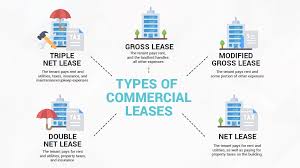
Commercial Lease Structures Explained
To a tenant, a commercial lease is about rent. To an investor, it's about something bigger: risk allocation. How the expenses, taxes, insurance, maintenance, get split between landlord and tenant determines your cash flow, your management workload, and your return for years. In Michigan's commercial market, three structures dominate, gross, net, and triple net, and choosing the wrong one for your situation can quietly erode an otherwise good deal. Here's what each one actually means in practice.
The Gross Lease: Simplicity First
Also called a full-service lease, this structure has the tenant pay one fixed rent while the landlord covers most property expenses, property taxes, insurance, maintenance, and utilities. You'll see it most in office buildings, medical suites, and co-working spaces. A Grand Haven office tenant might pay $2,000 a month, and the landlord uses that rent to cover taxes, water, electricity, and janitorial. For the investor, the trade-off is clear: predictable income, but a lower net yield because you're absorbing the operating costs.
The Modified Gross Lease: Middle Ground
This hybrid splits the expenses. The tenant pays base rent plus a portion of specific costs, often utilities, janitorial, or maintenance, while the landlord keeps taxes and insurance. A Muskegon industrial tenant might pay $1,500 base rent plus their own electric and gas, with the landlord covering insurance and taxes. The result is moderate management effort and decent income stability, a reasonable compromise when neither a full gross nor a true net lease fits the building.
The Triple Net (NNN) Lease: The Investor's Favorite
The triple net lease shifts nearly all property expenses to the tenant, the three "nets" being property taxes, insurance, and maintenance. The tenant pays base rent plus all the operating costs. A Norton Shores retail tenant signing a 10-year NNN lease at $20 a square foot pays the taxes, building insurance, and maintenance directly. For the investor, that's about as close to "mailbox money" as commercial real estate gets: predictable cash flow, minimal landlord responsibility, and often long-term, creditworthy tenants like banks and franchises. It's why so many passive investors target NNN deals.
The Variations You'll See in Michigan
Beyond the big three, a few structures come up regularly. An absolute NNN lease hands the tenant everything, including the roof and structure, truly hands-off for the owner. A double net (NN) has the tenant pay taxes and insurance while the landlord handles structural and maintenance. A percentage lease, common in retail, charges base rent plus a percentage of sales once the tenant crosses a threshold. And a ground lease leases the land only, with the tenant building their own improvements, common for gas stations and restaurants. A Starbucks ground lease on a one-acre parcel in Holland might run 20 years with rent escalations every five, a favorite of passive-income investors.
How Lease Type Drives Value
This is the part that ties it all back to your return. Commercial property value is a function of net operating income and cap rate, and the more predictable the income, the higher the value and the stronger the buyer demand. A strip center with stable NNN leases might trade at a 6% cap rate, while a gross-leased office building sells at 8% precisely because the landlord shoulders more cost and uncertainty. The lease structure isn't just an operating detail, it's literally priced into what your building is worth.
The Clauses to Read Before You Sign
Whatever the structure, a handful of clauses decide how the lease really behaves: the expense definitions (who pays what), maintenance responsibilities (HVAC, roof, structure), insurance requirements and limits, the common-area (CAM) reconciliation process, the rent escalation schedule, and the renewal and termination terms. One Michigan reality to respect, commercial leases here aren't standardized, so always have one reviewed by a real estate attorney or experienced broker before you sign.
The Bottom Line
Understanding lease structures isn't about memorizing definitions, it's strategy. The lease type you choose shapes your risk, your time, and your return for the life of the asset.
If you're considering investing in commercial property or re-tenanting a building in West Michigan, I can help you analyze the lease terms, estimate NOI, and position the asset for maximum long-term value. Because the smartest investors don't just buy buildings, they buy income streams.