Lake Life Living: What You Need to Know Before Buying Waterfront Property
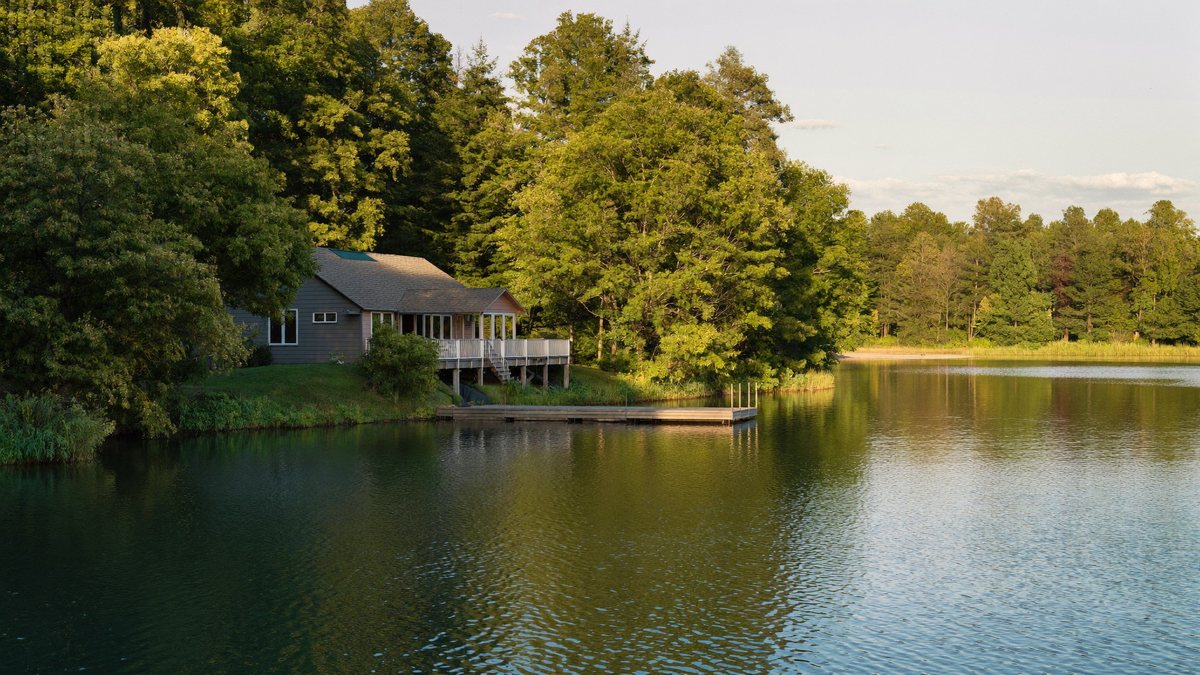
There's a particular look people get the first time they stand on a West Michigan dock at sunset, the water going gold, the whole reason they want to live here right in front of them. I get it; lake life is genuinely one of the best things this region offers. But waterfront property comes with a layer of rules, costs, and risks that a regular home never will, and the buyers who fall in love with the view before they understand the water are the ones who get surprised. The view is the easy part. Here's everything underneath it.
Whether you're eyeing Lake Michigan frontage or a quiet inland lake, here's what you actually need to know before you buy.
You're Buying Water Rights, Not Just Water Views
This is the piece most buyers don't realize: owning a home near the water is very different from owning riparian (or, on a lake, littoral) rights, the legal rights to use the water, build a dock, and access the bottomlands. A property "on the lake" with a shared easement to the water is a different asset than one with its own deeded frontage. Confirm exactly what water rights come with the parcel, how much actual frontage you have, and whether a dock is permitted, because those rights, not the square footage, are what make waterfront worth the premium.
The Shoreline Is Regulated, Heavily
What you can do at the water's edge is governed by the state, not just your own preferences. EGLE regulates inland lakes and streams under Part 301 of NREPA, which means seawalls, docks, dredging, and most work below the high-water mark require permits. On Lake Michigan, you may also be dealing with critical dune areas and high-risk erosion zones that carry their own building setbacks and restrictions. Before you assume you can add a dock, rebuild a seawall, or clear vegetation to "improve the view," find out what's permitted, the answer is often more complicated, and more expensive, than buyers expect.
Water and Waste: Often On Your Own
Many waterfront properties, especially on inland lakes, aren't on municipal water and sewer. That usually means a private well and a septic system, and both deserve real scrutiny during due diligence. A failing septic field near a lake is both a costly repair and an environmental liability, and well water near agricultural or older developed areas can have quality issues. Budget for, and insist on, current well and septic inspections, not the seller's reassurance that "it's always been fine."
The Water Moves, and So Does the Shoreline
Lake Michigan's water levels swing dramatically over the years, and those swings reshape beaches, undercut bluffs, and turn a stable lot into an eroding one. Inland lakes have their own seasonal flooding. So two things matter enormously: the property's flood-zone status and the condition of any erosion control. A waterfront parcel may sit in a FEMA flood zone that requires flood insurance, and standard homeowners policies don't cover flood (more on that in a moment). Walk the shoreline, ask about historic high-water marks, and take erosion seriously, the lake is patient, and it always wins eventually.
Inspect What a Normal Buyer Never Thinks About
A waterfront home needs the standard inspection plus the things unique to living on water. Have someone evaluate the seawall or revetment, replacing one can run tens of thousands of dollars, the dock and any boat hoist, the crawlspace or basement for moisture and humidity damage, and the drainage and grading that keep water moving away from the foundation. The deferred-maintenance items on a waterfront home tend to be the expensive ones, so the inspection is where you find out whether you're buying a dream or a project.
Plan for the Real Carrying Costs
Lake living costs more to own than the mortgage suggests. Flood insurance, where required, can add meaningfully to your annual cost, and waterfront homes generally carry higher premiums overall. Many lakes have an association with dues, and some fund weed control or lake management through a special assessment that shows up on your tax bill year after year. Access can matter too, plenty of waterfront homes sit on private roads with their own maintenance agreements. None of this should scare you off; it should just be in your numbers before you write the offer, not after.
The Bottom Line
Waterfront property is one of the best holds in West Michigan real estate, it's scarce, it's coveted, and it tends to appreciate, but it rewards buyers who understand the water as well as they love it. Know your water rights, the shoreline rules, the well and septic, the flood and erosion picture, and the true carrying costs, and the lake becomes exactly what you pictured instead of a surprise.
If you're considering lakefront or riverfront property in West Michigan, I can help you sort out the riparian rights, line up the right inspections, and pin down the real costs before you fall too hard for the view. Because the best lake-life decisions are made with your eyes open and your feet on the dock.