Opportunity Zones in West Michigan
Here's a scenario that sounds too good to be true, but isn't. You sell a Grand Haven rental and roll $200,000 in gains into an Opportunity Zone fund developing a Muskegon mixed-use project. Ten years later it's worth $400,000, and that $200,000 of new appreciation comes out completely tax-free. That's the deal Congress built into Opportunity Zones, and West Michigan happens to be full of them. For an investor sitting on capital gains, it's one of the most powerful, and most underused, tools on the table.
Here's how the program works, where the zones are, and how local developers stack it with other incentives.
What Opportunity Zones Are
Created under the 2017 Tax Cuts and Jobs Act, Opportunity Zones are federally designated census tracts meant to draw investment into economically distressed areas. The mechanism is a Qualified Opportunity Fund, an entity you invest through to access the tax benefits. Michigan alone has more than 200 designated zones, including several right along the West Michigan lakeshore, so this isn't a coastal-city program you're locked out of, it's in your backyard.
The Three Tax Benefits
There are three layered incentives. First, deferral, you can defer taxes on prior capital gains (from real estate, stocks, or a business) until the earlier of selling the new investment or December 31, 2026. Second, reduction, investors who held a fund investment long enough before 2027 could reduce the taxable amount of the original gain by up to 10%, depending on the year invested. Third, and the headline, elimination, hold the Opportunity Zone investment for 10 or more years and all the new appreciation is tax-free when you sell. That's the part that turns the Grand Haven-to-Muskegon example into a zero-tax outcome on the gain.
Where Michigan's Zones Are
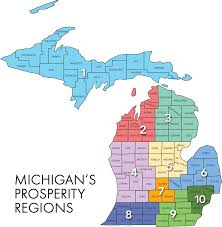
The zones span 75 municipalities, many in West Michigan's redevelopment corridors. In the City of Muskegon, that includes Downtown, Lakeside, and Midtown. Grand Rapids has South Division, the Westside, and Madison Square. Holland carries downtown redevelopment tracts, and Norton Shores and Muskegon Heights hold emerging industrial and housing redevelopment areas. The MEDC publishes an official map of every designated zone, which is the first place to look before you assume a parcel does or doesn't qualify.
What Actually Qualifies
Your investment has to flow through a Qualified Opportunity Fund, usually an LLC or partnership that files IRS Form 8996. Those funds can invest in real estate (new construction or substantial rehabilitation), business startups within a zone, or operating companies expanding inside one. A key rule of thumb: at least 50% of a project's gross income has to come from activity conducted inside the Opportunity Zone. The tax break rewards real economic activity in the zone, not parking money on a piece of land and waiting.
The Real Power Play: Stacking
In West Michigan, the savviest developers don't use Opportunity Zones alone, they layer them with Brownfield Redevelopment TIF to recover infrastructure costs, RRC certification to streamline zoning, Historic Preservation credits for older buildings, and MEDC Community Revitalization grants. A Muskegon developer combined Opportunity Zone equity with Brownfield and MEDC incentives to convert an obsolete warehouse into lakefront apartments, cutting both tax exposure and financing costs at the same time. That stacking is where these deals go from "good" to "best in the state."
The Risks, Said Plainly
This isn't free money with no strings. Qualified Opportunity Funds must meet IRS reporting and timing rules, including the 180-day reinvestment window. The investments are long-term and illiquid, the full benefit requires a 10-year hold. And the project actually has to produce value in the zone, not just speculation on land. One Michigan-specific caution: work with CPAs who understand both federal Opportunity Zone law and Michigan tax treatment, because plenty of traditional accountants miss the nuances around depreciation recapture.
Who This Fits
The strategy suits investors with recent capital gains from a real estate or business sale, developers looking for patient equity, high-net-worth individuals wanting long-term tax-efficient growth, and local investors who genuinely want to be part of a community's comeback. If you're in one of those camps and sitting on a gain, the cost of not exploring this can be the entire tax bill.
The Bottom Line
Opportunity Zones are a rare win-win, long-term tax advantages paired with real local impact, and when combined with West Michigan's RRC and Brownfield infrastructure, they produce some of the most financially efficient projects in the state.
If you're sitting on capital gains or exploring redevelopment in West Michigan, I can help identify qualifying sites, coordinate with fund managers, and structure your investment for both maximum return and compliance. Because the best opportunities don't just grow wealth, they rebuild communities.