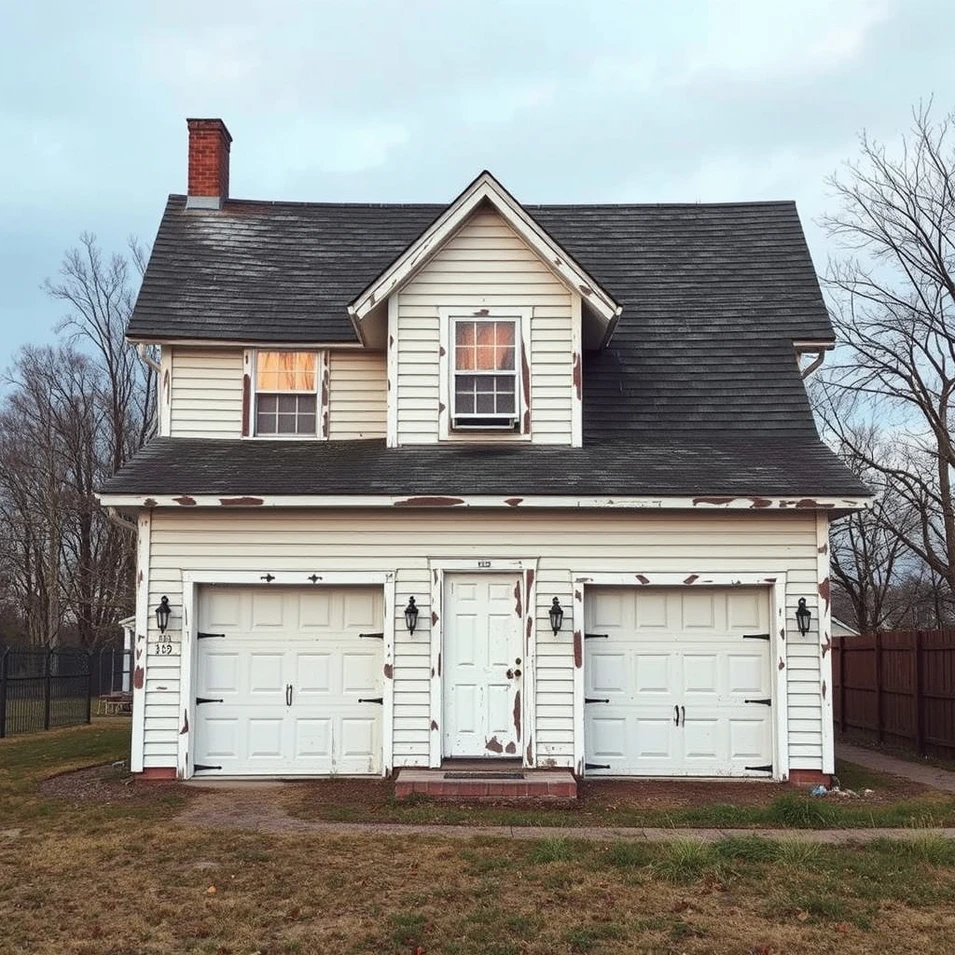
The Pros and Cons of Buying a Fixer-Upper in Michigan
The Allure of “Sweat Equity”
Every buyer’s watched a renovation show and thought, “We could do that.” And sometimes, they’re right.
Buying a fixer-upper can be a smart move lower price point, built-in equity, and the creative freedom to make it yours. But the Michigan market adds its own twist: older housing stock, weather-related wear, and renovation costs that can climb faster than you think.
So, before you fall for the “great bones” pitch, let’s break down what really makes a fixer-upper a win or a wallet trap.
The Upside Where It Can Pay Off
Lower Entry Price: Fixer-uppers typically list 15–25% below market value. That gap creates room for value growth once you renovate.
Creative Control: You decide the finishes, layout, and upgrades not a builder’s preset package.
Potential for Instant Equity: If you buy right and renovate smart, you can add $50K+ in value fast. The key is picking the right property in the right neighborhood.
Financing Options Exist: Programs like the FHA 203(k) or Fannie Mae Home Style Loan allow you to roll renovation costs into the mortgage. Not every lender offers them, but they can turn a “can’t afford it” house into a doable project.
Great for Tradespeople or Investors: If you can do part of the work yourself safely and up to code your labor becomes profit.
The Downside Where Dreams Derail
Renovation Costs in Michigan Are Rising: Between labor shortages and material inflation, even small projects can snowball. Always pad your budget by 20%.
Permit Timelines: Michigan’s local permit processes vary wildly. What takes two weeks in Grand Rapids might take six in rural counties.
Weather: Our freeze-thaw cycles, humidity, and lake-effect winters expose hidden issues: foundation cracks, roof wear, and moisture damage.
Financing Complexity: Renovation loans come with more paperwork, stricter appraisals, and extra inspections. If you’re not patient, it can feel like running a marathon in work boots.
Emotional Burnout: Living in a construction zone sounds exciting until the third month of dust, takeout dinners, and unexpected costs.
The Smart Way to Approach a Fixer-Upper
Get a Full Home Inspection before committing even if the seller says “as-is.”
Focus on structure, not cosmetics. Paint can be fixed cheap; foundation cracks cannot.
Know your limits. DIY is great until plumbing or electrical come into play.
Compare neighborhood values. You never want the most expensive house on the block or the one too far below it after reno.
Work with a REALTOR® who knows renovation lending. That coordination matters more than most realize.
Pro Tip: Ask your agent to run “as-is” and “after repair value” comps. The spread determines whether the deal makes sense not the sticker price.
Final Thoughts
A fixer-upper can absolutely be the path to wealth but only if the math, timing, and patience line up.
In Michigan, the difference between “great opportunity” and “money pit” usually comes down to one thing: preparation.
If you’re curious about taking on a renovation property, let’s sit down and run the numbers together. I can help you identify which projects add real value and which ones just drain time and cash. Because “good bones” don’t mean much if the budget breaks before you finish.