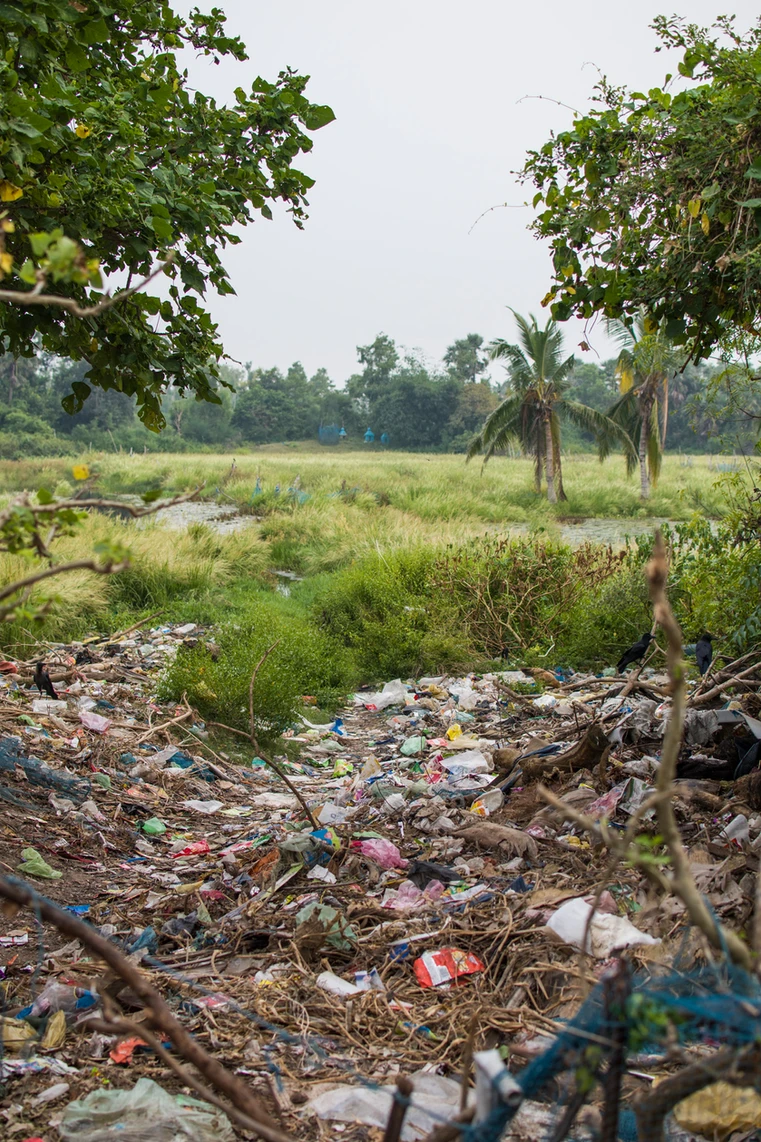
Environmental Issues in Michigan Real Estate
Nature Is Beautiful, Until It Becomes a Disclosure Issue
Michigan’s landscape is one of the most diverse in the country. We’ve got forests, dunes, lakes, farmland, and industrial land often within the same county.
But that natural variety means environmental concerns can pop up anywhere and if you don’t spot them early, they can stop a deal in its tracks.
Here’s what every Michigan homeowner and investor should know.
Wetlands and the “High-Water Surprise”
Many Michigan buyers are shocked to learn that a portion of their property may legally be a wetland even if it “looks dry.”
Wetlands are protected under the Michigan Natural Resources and Environmental Protection Act (NREPA) and regulated by the Michigan Department of Environment, Great Lakes, and Energy (EGLE).
You’ll need a state permit to:
Build or fill near wetlands or waterways
Dredge, drain, or redirect water
Construct driveways or landscaping that alter water flow
Pro Tip: Always check EGLE’s Wetland Map Viewer and local township GIS maps before making improvements or buying land near marshes, creeks, or lakes.
Contaminated Properties and Brownfield Sites
Michigan has a long industrial history and with it comes contamination risks. Old factories, gas stations, and even dry cleaners can leave behind pollutants like petroleum, lead, or solvents.
Before buying any older commercial or industrial property, order a Phase I Environmental Site Assessment (ESA) through a certified consultant.
If contamination is suspected, a Phase II ESA involves soil and groundwater testing.
Michigan Advantage: Under the state’s Brownfield Redevelopment Program, qualified buyers can receive tax incentives and grants to safely redevelop contaminated land.
Radon Gas, The Invisible Risk
Radon is a colorless, odorless gas formed by natural uranium decay in the soil and Michigan has one of the higher radon levels in the Midwest.
Testing is simple and affordable:
Use a home test kit ($15–$25)
Or hire a certified radon inspector during your home inspection
If results show levels above 4.0 pCi/L, a mitigation system ($800–$1,500) can solve the issue.
Note: In real estate transactions, Michigan does not require radon testing but many buyers negotiate it in the inspection phase.
Shoreline Erosion and Great Lakes Property Laws
If you’re near Lake Michigan, you already know how powerful water can be. Shoreline erosion, dune migration, and fluctuating lake levels can drastically affect property value and buildability.
The Michigan Shorelands Protection and Management Act governs building, vegetation removal, and seawall construction near the Great Lakes. Permits are required for almost any structural or grading work near dunes or beaches.
Local Tip: In Muskegon County, contact both EGLEand your township zoning administrator before any shoreline alterations double approval is often needed.
Asbestos, Lead Paint, and Old Buildings
Homes built before 1978 may contain lead-based paint, and older commercial structures often include asbestos in insulation, tiles, or roofing. Both materials are regulated under federal EPA laws and Michigan’s Occupational Safety and Health Administration (MIOSHA).
Before major renovations or demolitions, you’ll need certified abatement never DIY removal.
Underground Storage Tanks (USTs)
Common on rural or commercial sites, buried fuel tanks can leak and contaminate groundwater. The Michigan Underground Storage Tank (MUSTA) program manages registration and cleanup funds.
If a property had a gas station, mechanic shop, or farm fuel storage verify tank removal and closure documents before buying.
Final Thoughts
Environmental due diligence isn’t just about avoiding fines it’s about protecting your investment and community.
If you’re considering buying land or commercial property in West Michigan, I can connect you with trusted inspectors, environmental engineers, and EGLE resources to ensure you’re fully protected.
Because the smartest deals are the ones that stay clean on paper and in the soil.