Michigan Wetlands, Setback, and Drainage Laws
The most expensive thing on a piece of West Michigan land is often the part you can't see. A buildable-looking 15 acres in Ottawa County turns into 11 the moment a hidden wetland complex shows up, because the state requires a permit and a 30-foot setback that quietly erases a quarter of your lot. Nobody put that in the listing.
Wetlands, drains, and floodplains aren't just scenery, they're regulatory triggers, and they decide whether an otherwise profitable deal pencils out. Here's how Michigan's rules actually work, and where deals tend to go sideways.
What the Law Is Really Protecting
Michigan governs wetlands and surface water through the Natural Resources and Environmental Protection Act (NREPA), and three parts of it do most of the work. Part 301 covers dredging, filling, or altering inland lakes and streams. Part 303 governs draining, filling, or building in regulated wetlands. Part 91 requires a soil-erosion permit for any disturbance over an acre, or within 500 feet of water.
The agency that enforces all of this is EGLE, the Department of Environment, Great Lakes, and Energy, usually working hand-in-hand with county conservation districts. The practical takeaway: before you treat a parcel as "developable," you need to know which of these parts touch it, because each one is its own permit and its own timeline.
The Part That Surprises Everyone: What Counts as a Wetland
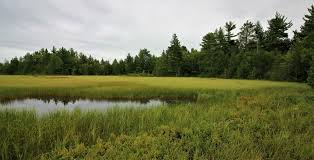
A wetland doesn't have to look wet. Under Part 303, it's any area saturated long enough to support water-loving vegetation, even if it's bone dry most of the year. EGLE regulates wetlands that sit within 1,000 feet of an inland lake, pond, or stream, that are five acres or larger, or that are ecologically connected to a regulated water body.
And don't assume a small one is a free pass. Even an "isolated" wetland under five acres can require a permit if EGLE decides it's critical to drainage or habitat. This is exactly why people get blindsided, they walk a dry field in August and have no idea they're standing on regulated ground.
Setbacks and Drains: Where Your Buildable Acres Go
Once a wetland or watercourse is in play, setbacks start eating into your footprint. They vary by township and zoning district, but generally run 25 to 50 feet from a regulated wetland edge, 50 to 100 feet from lakes or streams, and 10 to 25 feet from a stormwater detention basin. Fruitport Township, for example, requires a 50-foot buffer from wetland boundaries and bans new septic systems within 100 feet of any watercourse.
Then there's drainage law, which catches people off guard because it has nothing to do with wetlands. Michigan's Drain Code of 1956 (Public Act 40) gives county drain commissioners broad authority over surface water. If your stormwater discharges to a county drain, you'll need approval, you'll dedicate a drainage easement for maintenance access, and you'll size your detention basins to handle a 100-year storm under the county design manual. Those drain easements can dictate where a driveway, grade, or even a building can go, so always read the recorded plats and surveys before you draw a site plan.
The Permit Path, and How Long It Takes
The first move on any questionable parcel is to hire a certified wetland delineator to flag and map what's actually there, before you've spent real money on design. From there the permit process is fairly predictable: a pre-application meeting with EGLE or the local agency, then your site plan and delineation report, then a joint permit if you're under both Part 301 and 303, a public notice and comment window, and finally approval with conditions. Budget 60 to 120 days depending on complexity. The mistake is treating that as paperwork at the end, it belongs at the very front of your schedule.
When You Can't Avoid It: Mitigation
Sometimes the impact is unavoidable, and the law lets you proceed if you replace or enhance wetlands elsewhere. You can build new wetlands on-site, restore them off-site nearby, or buy credits from a state-approved mitigation bank. The Ottawa County Wetland Mitigation Bank, for instance, sells credits at roughly $75,000 per acre to satisfy Part 303. That's a real line item, and knowing it early can be the difference between a deal that works and one that doesn't.
On top of the state rules, most West Michigan municipalities, Muskegon, Holland, Grand Haven, run their own stormwater ordinances: detention and retention basins, oil and sediment traps, green infrastructure like rain gardens and permeable pavement, and post-construction maintenance agreements. Loop your site engineer in before zoning submission, not after, or you'll pay for the redesign twice.
What Getting It Wrong Costs
The penalties aren't theoretical. Filling wetlands without a permit can run up to $10,000 a day. Block a county drain and you're looking at county-ordered restoration plus civil penalties. Poor erosion control earns stop-work orders. In 2021, a West Michigan builder was fined $40,000 for grading two acres of wetland buffer without authorization, every dollar of it avoidable with early EGLE coordination.
The Bottom Line
Michigan's wetland and drainage laws aren't barriers, they're the blueprint for development that actually holds up. When you understand how EGLE, the county, and local zoning interact, you design smarter sites, protect your investment, and build goodwill with the planning boards you'll be in front of for years.
If you're weighing a piece of land in West Michigan, the smartest money you'll spend is the due diligence before the offer, and that's exactly the part I can help you walk through. Because successful development isn't just about where you build, it's about knowing what's under and around your land.