Mixed-Use Development and Zoning Trends in West Michigan
Walk down Western Avenue in downtown Muskegon and you'll see the future of West Michigan real estate in a single block: apartments above breweries, retail at street level, people living, working, and spending in the same place. That's mixed-use development, and it's not a trend planners are tolerating, it's the model they're actively rewriting their codes to attract. For investors, understanding why is the difference between fighting the zoning and riding it.
Here's what mixed-use really means in Michigan, why cities want it, and where the opportunity, and the risk, sits.
What "Mixed-Use" Actually Is
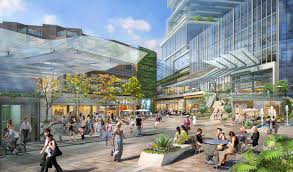
A mixed-use property blends multiple uses, typically residential and commercial, sometimes civic, into one cohesive project: apartments over retail, offices above restaurants, live-work units for entrepreneurs. Michigan planners increasingly favor it because they want walkable, vibrant downtowns instead of isolated strip malls and far-flung subdivisions. The Western Avenue corridor in Muskegon, with apartments, breweries, and retail sharing the same blocks, is the classic local success story.
Why Cities Are Pushing It
Guided by their Master Plans and the Redevelopment Ready Communities framework, Michigan municipalities are rewriting zoning to attract compact, mixed-use projects, and the reasons are practical. These projects increase tax base per acre, reduce sprawl and infrastructure costs, revitalize vacant downtown corridors, support transit and walkability, and create "24-hour economies" with steady foot traffic. The deeper shift is technical but important: many cities are replacing strict use-based zoning with form-based codes that care more about design, density, and street presence than about separating uses. That change alone opens doors that old zoning kept shut.
The Money on the Table
Mixed-use projects can stack funding layers in a way single-use builds can't, MEDC Community Revitalization Program grants, Brownfield TIF reimbursements for cleanup or infrastructure, Historic Preservation Tax Credits for adaptive reuse, and local façade or downtown-improvement grants. A developer converting a 1920s building in Holland into retail and lofts pulled both CRP and Historic credits, covering 25% of project costs. When the incentives align, the economics of these projects change dramatically.
The Building-Code Reality
Because mixed-use combines different occupancies, residential, assembly, commercial, developers have to meet Michigan Building Code (2015 MBC) separation standards for fire suppression, sound insulation, accessibility, and egress, all in the same structure. That's more complex than a single-use build, which is why you engage an architect early. Many smaller Michigan cities also require site plan review before they'll issue building permits, so the design conversation needs to start well before the shovel does.
Why Demand Keeps Rising
Several forces are pushing the same direction. Remote work has boosted demand for live-work space. Millennials and empty nesters are both drawn to walkable urban housing. Retail's post-COVID recovery favors smaller storefronts that lean on residential foot traffic. And municipal grants keep incentivizing the adaptive reuse of old schools, factories, and warehouses. Muskegon's mixed-use renaissance, Terrace Point, Lakeview Lofts, Adelaide Pointe, has become a model for mid-sized-city redevelopment well beyond Michigan.
The Risks Worth Naming
This isn't a free lunch. Construction costs can run 20 to 30% higher than single-use builds. Zoning overlays can require variances or public hearings. And managing multiple tenant types, residential plus retail, demands real operating systems, not a casual landlord touch. One move that meaningfully shortens the timeline: partner with local economic-development agencies early, they can compress approvals that would otherwise drag.
The Bottom Line
Mixed-use projects are reshaping the identity of West Michigan communities, from walkable downtowns to revived waterfronts, and for investors they offer diversification, resilience, and strong long-term appreciation when they're executed well.
If you're exploring adaptive reuse or mixed-use development in Muskegon, Grand Haven, or the surrounding markets, I can help you analyze the zoning overlays, coordinate the incentive applications, and connect you with proven design-build teams. Because the future of real estate in Michigan isn't just about square footage, it's about synergy.