Property Titles, Deeds, and Ownership Types in Michigan
Two investors buy the same duplex in Muskegon, put in the same money, sign at the same table. But one detail, the way they hold title, quietly decides everything that happens next. Hold it as "tenants in common" and each can sell or will away his half independently. Hold it as "joint tenants with rights of survivorship" and when one dies, the whole thing passes automatically to the other. Same property, same price, completely different futures, and most buyers never think about it until it matters.
How your property is titled shapes who controls it, how it transfers when you die or sell, and what taxes and liabilities attach. Here's how Michigan's deeds and ownership types actually work, in plain terms.
Title vs. Deed, Because People Mix Them Up
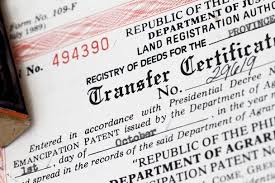
Your title is your legal ownership interest, the concept of owning the property. The deed is the physical document that transfers that ownership from one person to another. Put simply: the title is ownership, the deed is the proof. You can't have a clean conversation about either without keeping that distinction straight.
How You Can Hold Title in Michigan
The way you take title sets your control, your liability, and what happens to the property at your death, so it's worth understanding the main options rather than letting a form default decide for you.
Sole ownership is one person owning 100%, simple, but with no built-in succession plan. Joint tenancy with rights of survivorship gives two or more parties equal ownership that passes automatically to the survivors at death, which is why it's common for married couples and co-buyers. Tenancy in common lets two or more owners hold unequal shares with no survivorship, each share passes through that owner's will or estate, which is why investors and business partners often use it. Tenancy by the entirety is exclusive to married couples in Michigan and adds something powerful: survivorship plus creditor protection against one spouse's individual debts. And finally, property can be titled in the name of a revocable living trust or an LLC, which buys you probate avoidance and liability protection, as long as it's properly recorded and maintained.
For investment property, the strongest setup usually stacks two of these: an LLC for liability protection, owned by a trust for clean estate transfer. That two-tier structure is the quiet workhorse of long-term wealth planning.
Deeds, and a Michigan Favorite
Different situations call for different deed types, a warranty deed, a quit claim deed, and so on, each carrying a different level of guarantee about the title you're getting. The one worth knowing about is the Lady Bird Deed, valid in only a handful of states. It lets a homeowner keep full rights during life, the right to sell, mortgage, or change their mind, while passing the property directly to heirs at death, no probate required. A homeowner in Norton Shores can name a child on a Lady Bird Deed, keep complete control while living, and have the home transfer instantly at death with no court and no waiting.
Transferring Property the Right Way
A clean transfer follows the same path every time: prepare the correct deed type, include the legal description (pulled from the prior deed or title policy), sign before a notary, record it with the County Register of Deeds in the property's county, and pay the transfer tax unless you're exempt. In Michigan that tax runs $3.75 per $500 of value at the state level and $0.55 per $500 at the county level, small numbers that add up on a real purchase price, so it's worth knowing them going in.
Title Insurance: The Safety Net
Title insurance protects you against the defects you can't see, unpaid liens or taxes, recording errors, forged documents, missing heirs with a claim. Lenders require a lender's policy as a condition of the loan, but you can also buy an owner's policy, a one-time cost that protects you for as long as you own the home. Given what it covers, it's one of the cheaper forms of peace of mind in the whole transaction.
Title structure also drives your estate plan: property passes by will (probate), by deed (a Lady Bird or survivorship deed), or by trust (no probate), depending entirely on how it's held. And before you sell or refinance, request an updated title commitment, it surfaces lingering defects like boundary overlaps, missing legal descriptions, unreleased mortgages, unrecorded easements, or old quit claim deeds with murky ownership before they blow up a closing.
One Scam to Watch
Michigan counties periodically warn homeowners about official-looking mailers offering "deed copies" for inflated fees. You never need them, certified copies come straight from your Register of Deeds, often for under $10 (Muskegon County, for instance, offers online search and ordering). When in doubt, verify any recorded deed through the county's land records portal.
The Bottom Line
How your property is titled shapes everything downstream, ownership rights, liability, inheritance, and how confidently you can close or plan your legacy. For buyers, sellers, and investors alike, understanding Michigan's deed and title structures is what lets you sign with clarity instead of crossed fingers.
If you're transferring, refinancing, or re-titling property in West Michigan, I can help you coordinate with title companies and estate attorneys so it's done right the first time. Because real ownership isn't just having property, it's having clarity about it.