The Michigan Land Division Act
You can't just draw a new line on a map and call it a lot. A developer in Ottawa County learned that the hard way, selling off three parcels from a 12-acre tract without township sign-off. The sales were later voided, and the whole project got dragged back through full replatting and reapproval, a six-month setback that a single approval form would have prevented. In Michigan, splitting land is governed by the Land Division Act, and skipping its steps doesn't save time, it costs it.
Whether you're carving off a lot for family or developing a full site, here's what the law requires and how to keep your deal clean.
What the Act Does
The Michigan Land Division Act (Public Act 288 of 1967, as amended) controls how land can be legally split, combined, or adjusted. Its job is to prevent "wild" or poorly planned divisions, the kind that leave a lot with no legal access or no path to utilities. The core requirement is simple: you have to get local government approval, usually through the township or city assessor's office, before you record a new deed that creates a new parcel. Record first and ask later, and you may find you've created a parcel that legally doesn't exist.
The Rules for a Split
Each municipality layers on its own ordinances, but the statewide Act sets the floor. Every new parcel has to meet the zoning minimums for lot size and width, have legal access by road frontage or a recorded easement, and in some areas show proof of utility access or septic approval. You'll need a survey that clearly shows the new lines, acreage, and dimensions, and the new legal description has to trace back to the original "parent parcel" on record. So if you own ten acres in Fruitport Township and want to sell off two two-acre lots, you're looking at township approval, survey documentation, and a fresh legal description for each new parcel.
How Many Splits You Get
This surprises people: you don't get unlimited divisions. The number of allowable splits depends on the size of the parent parcel and whether it was already divided after March 31, 1997, the effective amendment date. As a rough guide, a parcel under ten acres allows up to four splits, with larger parcels qualifying for additional divisions based on acreage. Each municipality tracks how many "available splits" remain on a property, and the assessor's office can tell you exactly how many you have left, which is worth confirming before you build a plan around land you can't actually divide.
The Vocabulary Worth Knowing
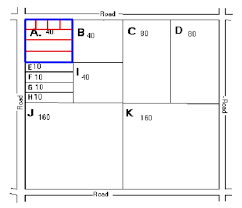
A few terms come up constantly. The parent parcel is the original tract before any division. A child parcel is a new lot created by a split. An outlot is a parcel created but not intended for building. A combination is when two or more parcels merge into one. And the land division approval is the signed form or letter that authorizes the split. One rule ties them all together: file the approved survey and new legal description with the county Register of Deeds, because an unrecorded split simply isn't recognized.
Why Compliance Isn't Optional
When a split isn't properly approved, the consequences cascade. The new deed is invalid, the property can't be sold or financed, and it may not qualify for building permits. That's the entire Ottawa County story in three sentences, a skipped approval turned three sales into a six-month, full-replat headache. The approval form is cheap; the do-over isn't.
Division vs. Subdivision
It's worth knowing which process you're in. A land division is a simple split, generally under ten lots. A subdivision is a larger development that requires roads, recorded plats, and planning commission approval, which means a full plat-review process under the same Act, complete with preliminary plans, public hearings, and utility design approval. Misjudging which bucket your project falls into is its own way to lose months.
Where a REALTOR® Earns Their Keep
A good REALTOR® verifies the allowable splits before a large parcel is even listed, connects clients with local surveyors and assessors, reviews title work for access easements, and coordinates with planning and zoning staff early. One Michigan advantage worth using: some municipalities offer pre-application reviews, where the zoning administrator previews your split proposal and saves you weeks of processing before you formally file.
The Bottom Line
Whether it's a single lot for family or an entire development site, understanding the Land Division Act is what keeps your deal legal, financeable, and on schedule. Smart development really does start with the right lines on paper.
If you're planning to buy, sell, or divide land in West Michigan, I can help you confirm eligibility, coordinate with surveyors, and prepare township-ready documents so the split holds up the first time. Because the cleanest deals are the ones that never have to be redone.